

Integration of HEC-RAS with MODFLOW using mf6Voronoi Studio and Model Muse - Tutorial
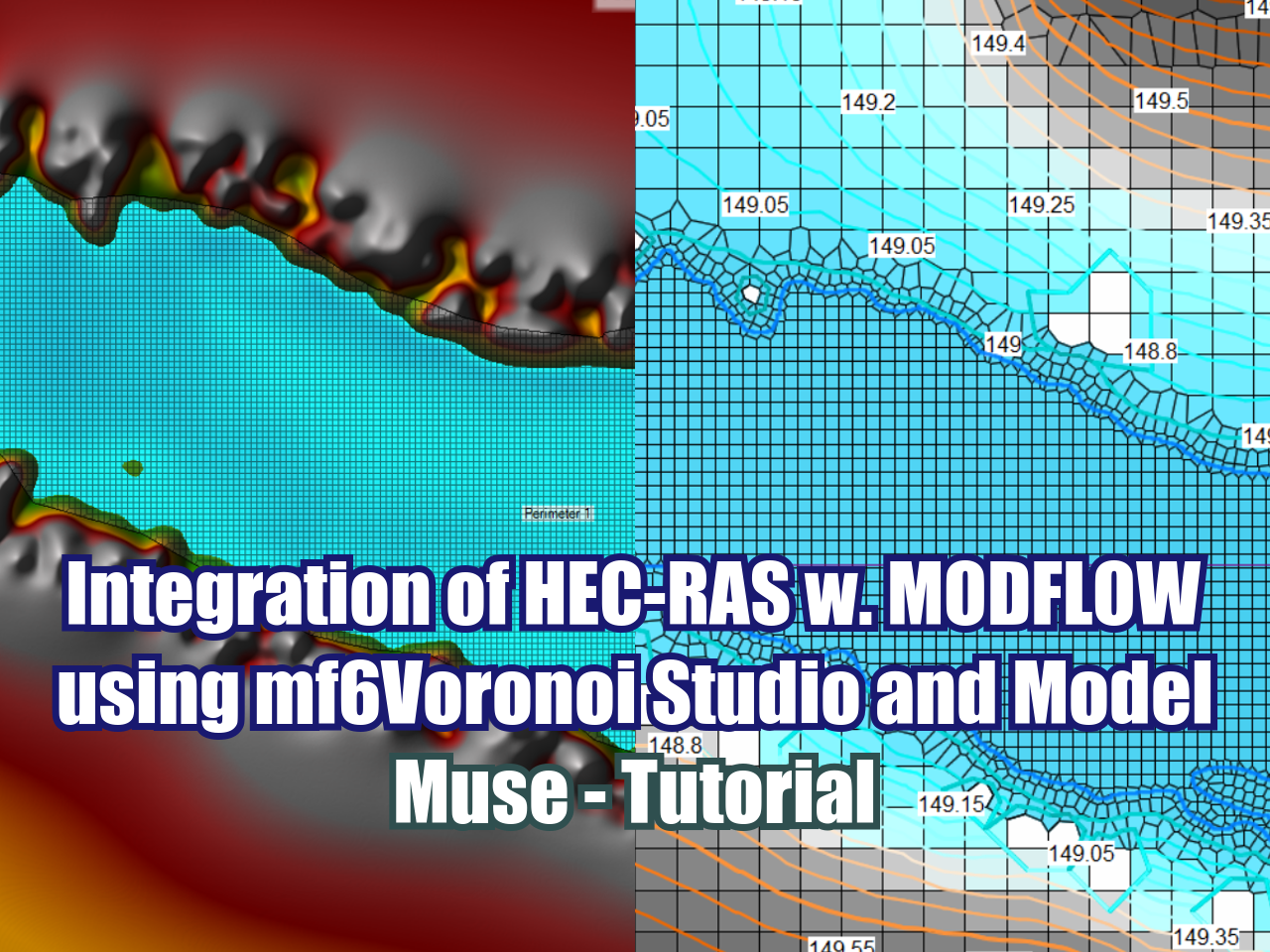
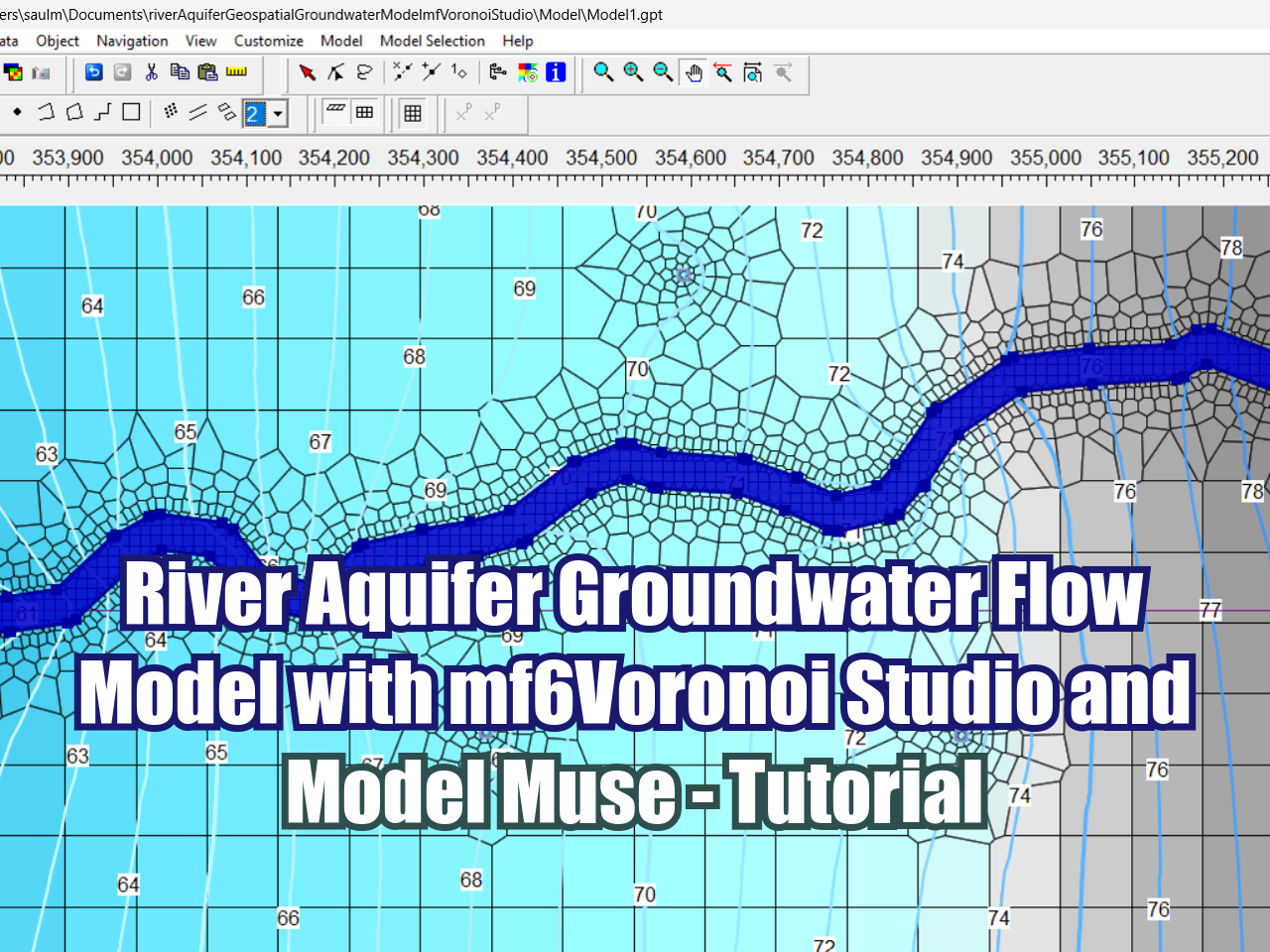
/In this tutorial on the integration of HEC-RAS with MODFLOW using mf6Voronoi Studio and Model Muse, we will develop a complete step-by-step practical example, starting from an already built unsteady model in HEC-RAS from which we will export key depth and hydraulic elevation data for a specific datetime, information from which we will generate the optimized simulation voronoi mesh that we will later import into ModelMuse to structure our groundwater model incorporating River and General Head Boundary (GHB) boundary conditions, concluding with a detailed analysis of the distribution of hydraulic heads and the evaluation of the dynamic interaction between the different sections of the river and the aquifer system.
Read More
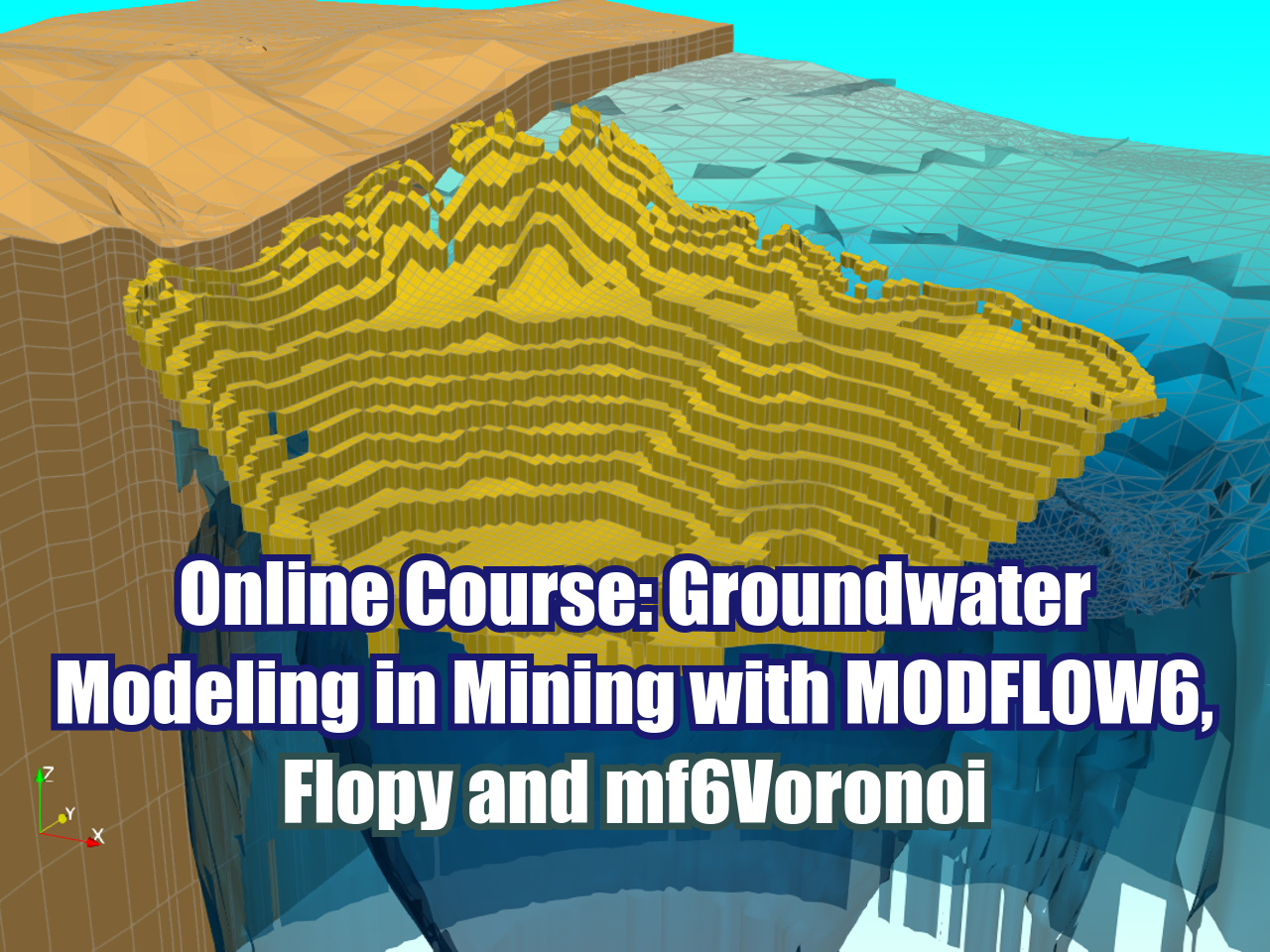












FloPy is the Python library that builds and executes MODFLOW models; this library has been enhanced to provide full support of MODFLOW 6 with most of its recent development is related to functionality for MODFLOW 6, tools to use vector and raster spatial data and common plotting and export functionality.